Presidential Candidates: Don't Judge A Book By Its Category
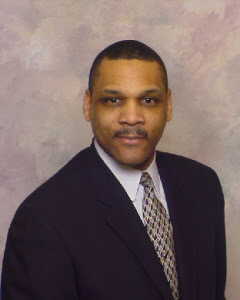
By Kevin D. Moore
Does it really matter what category or group the future president of the United States is in? Should we really care?
I say "No!" Some say, "Yes!" Some ask, "How can you possibly make such an important decision as to who to vote for without knowing what category or group a presidential candidate is in?" My response to this question is, "So what?"
Call me old fashion but my life experiences have taught me that you can't judge a book by its cover (i.e. category or group.) Just because a person belongs to a political party, religion, gender, or race doesn't mean that they automatically stand for and support the same principles that may commonly be associated with any of those categories or groups.
Sure you could take the easy way out and vote for a candidate based on a specific category but you may be shocked in the end when that candidate takes a stance that is opposite of what you thought the category stands for. Surprise!
I know for many of you, I am preaching to the choir. However, there are so many that I am not preaching to. Perhaps these individuals should consider rethinking the criteria that they use to determine who to vote for. I can't tell you how many times I have been asked who I was voting for simply based on a category.
Now to be honest, even I have thought about supporting a candidate that fits into a category or group that typically is aligned with some of my thoughts on certain issues and concerns. And I must admit that it is so much easier to vote this way. But deep down inside, I know that this method of selection is very naive. Again, the old saying that you can't judge a book by its cover comes to mind. Better yet, no matter the group or category, candidates are individuals and will make decisions the way they want. To think that a candidate makes decisions solely based on a category or group may not be the best use of brain power.
I don't know about you but I believe that the only true way to judge a person is not by their category and affiliation to a group but by what they say and do.
So, does it really matter what category or group the future president of the United States is in? Should we really care? Again, I say, "So what!" I don't care about the political party, religion, gender, or race of a presidential candidate. These aspects are nothing more than the candidate's cover. All I really care about are the principles of the candidate and what the candidate says and does (i.e. walk the walk and talk the talk.)
The decision of who to vote for to be the next president of the United States is just too important! Don't make the mistake of missing what's on the inside. Let's not judge a book by its category.
Copyright © 2008 Knowledge Driven & Moore LLC. All Rights Reserved.
Tuesday, January 8, 2008


Friday, December 28, 2007
Political Correctness - Good or Bad?
Political Correctness - Good or Bad?
By Kevin D. Moore
As with anything good, too much of it can be bad. Unfortunately, this may have happened or is happening with Political Correctness (a.k.a. PC.)
I must admit that I have been very happy with the kindlier gentler world that has resulted from the internalization of PC by my fellow brothers and sisters of the human race in America. Of course, for me, being PC all the time has not been easy. I have had my share of missteps just like anyone else.
For example, I once stated that someone was deaf. I was immediately informed that I was not being PC and that the more appropriate term was hearing impaired. Upon realizing the error of my ways, I immediately changed my verbiage. The good thing was that being PC would help me not to offend anyone. However, I was later informed that stating that someone was hearing impaired was not PC and the proper term was in fact deaf. So here is the bad part; I am now confused! I do not know what to do or say. I was trying not to be offensive but was anyway (depending on whom you talked to.)
Fortunately, my resolve and desire for the greater good (being PC) were not derailed by my confusion. This is especially true given the goodness that has personally been bestowed upon me. As a Black American, this goodness was manifested in the way that people addressed or referred to me. Specifically, I am for the most part no longer openly referred to as being a Boy, Colored, Negro, or the "N" Word all terms that I find offensive to some degree given their past history. And, thanks to PC, these words have almost been eradicated. This is a good thing!
But as I mentioned earlier, too much of a good thing can be bad. For example, from a cultural perspective, many White Americans have said to me that they are afraid to say things reference Black Americans because it might not be PC. More importantly, they are highly concerned with the backlash that they may experience for not being PC or the pain that they may inadvertently cause.
Unfortunately, this concern or fear to say the wrong thing is creating an environment where people are more unlikely to openly discuss issues, differences, or observations with respect to people. Without this dialogue, there is a tendency for people to continue to misunderstand each other, not improve relations, and limit social problem solving.
In other words, we must communicate with each other if we ever hope to make this world a better place. In lies the problem. To improve communications, it is important to be PC so as not to offend. But it must be balanced. Too much PC can backfire and limit communications.
That's where courage comes in. You and I must be courageous enough not to allow PC to limit our dialogue with others.
Is there a greater possibility of offending someone through our courage? Absolutely!
Will it be worth it in the end? Absolutely!
Copyright © 2007 Knowledge Driven & Moore LLC. All Rights Reserved.
By Kevin D. Moore
As with anything good, too much of it can be bad. Unfortunately, this may have happened or is happening with Political Correctness (a.k.a. PC.)
I must admit that I have been very happy with the kindlier gentler world that has resulted from the internalization of PC by my fellow brothers and sisters of the human race in America. Of course, for me, being PC all the time has not been easy. I have had my share of missteps just like anyone else.
For example, I once stated that someone was deaf. I was immediately informed that I was not being PC and that the more appropriate term was hearing impaired. Upon realizing the error of my ways, I immediately changed my verbiage. The good thing was that being PC would help me not to offend anyone. However, I was later informed that stating that someone was hearing impaired was not PC and the proper term was in fact deaf. So here is the bad part; I am now confused! I do not know what to do or say. I was trying not to be offensive but was anyway (depending on whom you talked to.)
Fortunately, my resolve and desire for the greater good (being PC) were not derailed by my confusion. This is especially true given the goodness that has personally been bestowed upon me. As a Black American, this goodness was manifested in the way that people addressed or referred to me. Specifically, I am for the most part no longer openly referred to as being a Boy, Colored, Negro, or the "N" Word all terms that I find offensive to some degree given their past history. And, thanks to PC, these words have almost been eradicated. This is a good thing!
But as I mentioned earlier, too much of a good thing can be bad. For example, from a cultural perspective, many White Americans have said to me that they are afraid to say things reference Black Americans because it might not be PC. More importantly, they are highly concerned with the backlash that they may experience for not being PC or the pain that they may inadvertently cause.
Unfortunately, this concern or fear to say the wrong thing is creating an environment where people are more unlikely to openly discuss issues, differences, or observations with respect to people. Without this dialogue, there is a tendency for people to continue to misunderstand each other, not improve relations, and limit social problem solving.
In other words, we must communicate with each other if we ever hope to make this world a better place. In lies the problem. To improve communications, it is important to be PC so as not to offend. But it must be balanced. Too much PC can backfire and limit communications.
That's where courage comes in. You and I must be courageous enough not to allow PC to limit our dialogue with others.
Is there a greater possibility of offending someone through our courage? Absolutely!
Will it be worth it in the end? Absolutely!
Copyright © 2007 Knowledge Driven & Moore LLC. All Rights Reserved.
Tuesday, December 11, 2007
Courageous Conversations: The Importance of Interracial Dialogue
Courageous Conversations: The Importance of Interracial Dialogue
Friday, December 14, 2007; 10AM (Eastern)
What would you do if you could ask any question you ever wanted about a group of people but were afraid to ask? What if the question was perceived as offensive, stupid or politically incorrect? Would you ask it? In order to promote inclusion and build bridges of understanding, we must be able to engage in courageous conversations that challenge untested assumptions. On this episode of Diversity Matters™ Kevin Moore, author of Did You Ever Wonder Why Black People Do the Things They Do? discusses the challenges and opportunities in interracial dialogue. Kevin is a Chief Information Officer with the Federal Government, a Lieutenant Colonel in the U.S. Army Reserve, a graduate from West Point and President of Knowledge Driven & Moore. Join co-hosts Judy Seidenstein and Richard Friend in this lively conversation by calling in with your questions, stories and comments at 866-472-5790. Listen to Diversity Matters™ live or on demand at http://www.diversitymatters.info/.
Please tune in!
Richard & Judy
Diversity Matters is a forum for lively conversation about issues of diversity and inclusiveness. Through conversations with a wide range of key thought leaders and practitioners in the field, the show provides cutting-edge ideas, resources and tools that enable people and organizations to leverage diversity and inclusiveness for high performance. Copyright (C) 2007 Friend & Associates Inc. All rights reserved.
Friday, December 14, 2007; 10AM (Eastern)
What would you do if you could ask any question you ever wanted about a group of people but were afraid to ask? What if the question was perceived as offensive, stupid or politically incorrect? Would you ask it? In order to promote inclusion and build bridges of understanding, we must be able to engage in courageous conversations that challenge untested assumptions. On this episode of Diversity Matters™ Kevin Moore, author of Did You Ever Wonder Why Black People Do the Things They Do? discusses the challenges and opportunities in interracial dialogue. Kevin is a Chief Information Officer with the Federal Government, a Lieutenant Colonel in the U.S. Army Reserve, a graduate from West Point and President of Knowledge Driven & Moore. Join co-hosts Judy Seidenstein and Richard Friend in this lively conversation by calling in with your questions, stories and comments at 866-472-5790. Listen to Diversity Matters™ live or on demand at http://www.diversitymatters.info/.
Please tune in!
Richard & Judy
Diversity Matters is a forum for lively conversation about issues of diversity and inclusiveness. Through conversations with a wide range of key thought leaders and practitioners in the field, the show provides cutting-edge ideas, resources and tools that enable people and organizations to leverage diversity and inclusiveness for high performance. Copyright (C) 2007 Friend & Associates Inc. All rights reserved.
Sunday, December 2, 2007
What In The World Is An African American Anyway?
What In The World Is An African American Anyway?
By Kevin D. Moore
This question was recently asked of me numerous times by White Americans, White Europeans, Black Americans, and others. The funny thing is that I have wondered this too. However, the interesting part about this question is the fact that people are asking it in the first place.
When I think about it, something must not be right. I don't recall ever hearing anyone ask what is an Italian American or German American. So why would anyone ask what is an African American?
I think the first aspect of my wonderment is that I can't seem to figure out how or when I (a year long tan American) stopped being identified as a Black American and started being identified as an African American. I'm sure someone has the answer.
Unfortunately, it is a little fuzzy to me and it seems to be a little fuzzy to others as well. For myself, I'm pretty sure it has something to due with some of my ancestors who probably came from the continent of Africa so long ago. I'm also pretty sure that it has something to do with people wanting to be politically correct. I'm not sure how politically correct it is since I'm a little fuzzy about its use. But, this is what I know.
First, I am an American that happens to be black with some ancestors who are more than likely from Africa.
Second, I recently met a man from Nigeria (a country on the continent of Africa) who is a US citizen. During our conversation, he informed me that he is an African American or more accurately said a Nigerian American. Needless to say, after he pointed out that he was an African American, I began to ponder the use of the term as it applies to me.
Third, I recently met a White American who lived in Africa for 15 years. Believing myself to be witty, I said, "Wow, you are an African American." I was not prepared for his response. He said, "That's funny because my 19 year old daughter speaks the language and considers herself an African American given that since the age of four Africa has been her home. Once again, I began to ponder the use of the term as it applies to me.
Fourth, some White Americans were born in Africa and consider themselves African Americans. Once again, I ponder.
Fifth, a White Frenchmen recently said to me that he has African friends in France and they simply don't understand why 4th and 5th generation Blacks in America are called and considered African Americans. Good question. As stated earlier, I continue to ponder.
So, based on what I know, the second aspect of my wonderment is that if I'm an African American then what in the world are all these other people. They all seem to think they are African Americans. To be honest, I don't mind sharing this identification but these other folks do make me ponder.
Although, I can't speak for everyone else, I'm perfectly happy with being identified as an American first who happens to have a year long tan (a.k.a. Black.)
Right now, it doesn't seem that I have much of a say in what I am identified as other than the fact that I continue to ponder.
Copyright © 2007 Knowledge Driven & Moore LLC. All Rights Reserved.
By Kevin D. Moore
This question was recently asked of me numerous times by White Americans, White Europeans, Black Americans, and others. The funny thing is that I have wondered this too. However, the interesting part about this question is the fact that people are asking it in the first place.
When I think about it, something must not be right. I don't recall ever hearing anyone ask what is an Italian American or German American. So why would anyone ask what is an African American?
I think the first aspect of my wonderment is that I can't seem to figure out how or when I (a year long tan American) stopped being identified as a Black American and started being identified as an African American. I'm sure someone has the answer.
Unfortunately, it is a little fuzzy to me and it seems to be a little fuzzy to others as well. For myself, I'm pretty sure it has something to due with some of my ancestors who probably came from the continent of Africa so long ago. I'm also pretty sure that it has something to do with people wanting to be politically correct. I'm not sure how politically correct it is since I'm a little fuzzy about its use. But, this is what I know.
First, I am an American that happens to be black with some ancestors who are more than likely from Africa.
Second, I recently met a man from Nigeria (a country on the continent of Africa) who is a US citizen. During our conversation, he informed me that he is an African American or more accurately said a Nigerian American. Needless to say, after he pointed out that he was an African American, I began to ponder the use of the term as it applies to me.
Third, I recently met a White American who lived in Africa for 15 years. Believing myself to be witty, I said, "Wow, you are an African American." I was not prepared for his response. He said, "That's funny because my 19 year old daughter speaks the language and considers herself an African American given that since the age of four Africa has been her home. Once again, I began to ponder the use of the term as it applies to me.
Fourth, some White Americans were born in Africa and consider themselves African Americans. Once again, I ponder.
Fifth, a White Frenchmen recently said to me that he has African friends in France and they simply don't understand why 4th and 5th generation Blacks in America are called and considered African Americans. Good question. As stated earlier, I continue to ponder.
So, based on what I know, the second aspect of my wonderment is that if I'm an African American then what in the world are all these other people. They all seem to think they are African Americans. To be honest, I don't mind sharing this identification but these other folks do make me ponder.
Although, I can't speak for everyone else, I'm perfectly happy with being identified as an American first who happens to have a year long tan (a.k.a. Black.)
Right now, it doesn't seem that I have much of a say in what I am identified as other than the fact that I continue to ponder.
Copyright © 2007 Knowledge Driven & Moore LLC. All Rights Reserved.
Wednesday, November 28, 2007
“The Allan Handelman Show” (FM Talk 101.1 – WZTK) “North Carolina's Superstation”
November 28, 2007 3:00 PM (Central) - “The Allan Handelman Show” (FM Talk 101.1 – WZTK) “North Carolina's Superstation”
All I can say is "WOW!" I was a guest on this show for 3 hours. The show was so good that the phone lines were swamped and some of the callers actually were "on hold" for over an hour waiting to ask questions. I can truly say that all involved (i.e. Listeners, Callers, Allan (Host), and Me) were trying to make a difference in America and our relations with other. Many stereotypes, myths, and perceptions of Black people were addressed. Unfortunately at this time a Podcast is not available; however, below are some questions and comments that occurred during the show.
Question: Are colleges preparing Black athletes for the challenges they may be faced with once in Professional Sports? (This questions was a result of the recent tragic shooting death of Professional Football Player Sean Taylor)
Comment/Question: A Black male caller, who is a Manager, believes that things are not right in the manner he is treated by his White Co-Manger and White Supervisor. He stated that he is the first Black person to serve in this Management position and cannot understand what the problem may be other than having something to do with his race. He asked for my opinion. Unfortunately, there wasn't a great deal of information; therefore, I gave the only answer I could (which had nothing to do with the issue of White vs. Black.) Sit down with your Co-Manger and Supervisor and discuss your concerns.
Question: Why don't Black people wash their hair?
Question: Why are some Blacks told by other Blacks that they are acting White for speaking proper English?
Question: Why are Blacks bad tippers?
Question via e-mail: Why do some Black people purposely walk too close to you?
Comment/Question: Some time ago, a White man and two of his Black friends went to a predominately Black Bar to observe a Pay Per View Fight between Evander Holyfield and Mike Tyson. He stated that he and his friends were cheering for Evander and the majority of people in the Bar were cheering for Mike. Everything was fine until Evander starting beating Tyson. Once that happened, he said that the atmosphere in the bar changed reflected by his two Black friends being called Uncle Toms. He wanted to know why this happened.
Question: Why doesn't Black people's hair get messed up?
Question: Why do some Blacks sag their pants?
Question: Why is it that Blacks speak with an accent?
Question: Does your book address the fact that not all Blacks will act or react the way you do to questions? Answer: Yes.
Comment/Question: A Black man was concerned that my book might being doing a disservice to Blacks and may not address the realities of what challenges Black people were facing and are still facing. So his question was, "Is your booking doing more harm than good?" He admitted up front that he had not read my book as of yet. Answer: Read the book. In other words, "Try it, You'll like it."
Question: Why do some Black men urinate standing up in a public bathroom with the seat down? (This question surprised both the Host and me.)
Question: Why do Blacks support another Black person if the evidence shows that the person is clearly guilty?
Question: Does your book address complexion issues among Blacks? Answer: Nope. I'm saving that for another book.
Question: Why are Black people so loud?
Question: Why don't Black people view/value Dogs the way White people do?
Question: Why do Black people call themselves African Americans when many are 4th and 5th generation Americans?
Question: Why do Blacks say "Axe" instead of "Ask"?
Needless to say, it was an interesting radio show. I believe that the show has caused many people to look at Black people and themselves in a different and positive manner.
All I can say is "WOW!" I was a guest on this show for 3 hours. The show was so good that the phone lines were swamped and some of the callers actually were "on hold" for over an hour waiting to ask questions. I can truly say that all involved (i.e. Listeners, Callers, Allan (Host), and Me) were trying to make a difference in America and our relations with other. Many stereotypes, myths, and perceptions of Black people were addressed. Unfortunately at this time a Podcast is not available; however, below are some questions and comments that occurred during the show.
Question: Are colleges preparing Black athletes for the challenges they may be faced with once in Professional Sports? (This questions was a result of the recent tragic shooting death of Professional Football Player Sean Taylor)
Comment/Question: A Black male caller, who is a Manager, believes that things are not right in the manner he is treated by his White Co-Manger and White Supervisor. He stated that he is the first Black person to serve in this Management position and cannot understand what the problem may be other than having something to do with his race. He asked for my opinion. Unfortunately, there wasn't a great deal of information; therefore, I gave the only answer I could (which had nothing to do with the issue of White vs. Black.) Sit down with your Co-Manger and Supervisor and discuss your concerns.
Question: Why don't Black people wash their hair?
Question: Why are some Blacks told by other Blacks that they are acting White for speaking proper English?
Question: Why are Blacks bad tippers?
Question via e-mail: Why do some Black people purposely walk too close to you?
Comment/Question: Some time ago, a White man and two of his Black friends went to a predominately Black Bar to observe a Pay Per View Fight between Evander Holyfield and Mike Tyson. He stated that he and his friends were cheering for Evander and the majority of people in the Bar were cheering for Mike. Everything was fine until Evander starting beating Tyson. Once that happened, he said that the atmosphere in the bar changed reflected by his two Black friends being called Uncle Toms. He wanted to know why this happened.
Question: Why doesn't Black people's hair get messed up?
Question: Why do some Blacks sag their pants?
Question: Why is it that Blacks speak with an accent?
Question: Does your book address the fact that not all Blacks will act or react the way you do to questions? Answer: Yes.
Comment/Question: A Black man was concerned that my book might being doing a disservice to Blacks and may not address the realities of what challenges Black people were facing and are still facing. So his question was, "Is your booking doing more harm than good?" He admitted up front that he had not read my book as of yet. Answer: Read the book. In other words, "Try it, You'll like it."
Question: Why do some Black men urinate standing up in a public bathroom with the seat down? (This question surprised both the Host and me.)
Question: Why do Blacks support another Black person if the evidence shows that the person is clearly guilty?
Question: Does your book address complexion issues among Blacks? Answer: Nope. I'm saving that for another book.
Question: Why are Black people so loud?
Question: Why don't Black people view/value Dogs the way White people do?
Question: Why do Black people call themselves African Americans when many are 4th and 5th generation Americans?
Question: Why do Blacks say "Axe" instead of "Ask"?
Needless to say, it was an interesting radio show. I believe that the show has caused many people to look at Black people and themselves in a different and positive manner.
Sunday, November 18, 2007
Should White People Be Scared To Give Black People Compliments?
Should White People Be Scared To Give Black People Compliments?
By Kevin D. Moore
The answer is “no.” White people should not be scared to give Black people compliments. However, one probably wants to “think before speaking.”
The reality is that there are many White people that are scared or apprehensive to give a Black person a compliment for fear that they may say the wrong thing. In today’s politically correct environment, society as a whole doesn’t want to offend others. This is especially true for Whites given the recent backlash felt by some well known Whites who have made comments about Blacks that resulted in a great deal of negative press and counter comments.
Two such examples were the comments made by Bill O’Reilly (host of “The O’Reilly Factor” on Fox News) reference Sylvia’s Restaurant (Black patroned and owned) in Harlem and Senator Joe Biden’s comments about Senator Barack Obama when asked what he thought of him. Neither Bill O’Reilly nor Senator Joe Biden was quite prepared for the negative responses they would receive from the Black Community. To make matters worse, both men have stated that they absolutely meant no offense by their comments.
Given the media attention of the backlash, is it any wonder that White people are scared or apprehensive to give Black people a compliment? This fear was recently demonstrated to me by a White man who recently sat next to me on an airplane. Ironically, sitting next to him on the other side was a Black female. All three of us were very friendly and felt very comfortable with each other. We were a Human Oreo Cookie. Given the comfort level experienced by the three of us, the man in the middle decided to relate to the lady and me a story and then ask a question that had been bothering him.
He began by telling us that he recently saw a Black lady in a store whose jewelry and skin color, in combination, were very striking and beautiful to look at. He wanted to give her a compliment about how beautiful the combination was but he was afraid that somehow he would offend her in some way, shape, or form. He wanted to know from us if it would have been ok to give the lady a compliment.
Although, I immediately wanted to answer his question, I felt it would be more appropriate and enlightening if our fellow travelling Black female were to respond first. Actually, I didn’t have much of a choice in the matter. This lady didn’t need any prodding and was very quick to respond. She said that it was good that he didn’t make the compliment because he probably would have offended her. The primary problem with his potential compliment was that he included the lady’s skin color.
She asked him if he would have made the same statement to a White lady in regards to her jewelry and how great it looked with her skin color. He said no… he wouldn’t say that to someone White. Next she said, then why would you say it to someone Black. She explained that the Black person would probably feel that she was being slighted in someway given that she probably realized that he more than likely would not have made the same comment to a White lady. In other words, “Beauty is beauty.” If he were simply to say, “Wow, your jewelry looks great” that would be fine and would not be offensive.
Let’s look at the earlier example I used reference Senator Joe Biden and Senator Barack Obama. When questioned about what he thought of Senator Obama, Senator Biden basically said that he thought Barack was clean cut, nice looking, and articulate. Now, here is how a great number of Blacks viewed the comment. “What?” “All Presidential Candidates should be clean cut and articulate!” Why would Barack be any different? As a result, a comment that was probably meant to be a compliment was viewed as insulting and offensive.
Needless to say, our White traveling buddy was glad that he didn’t give what he thought was a compliment which could have caused an unintended negative reaction. Another way to say it may be, if it’s not good for the goose (White people), than it’s probably not good for the gander (Black people.) Simpler stated… if you wouldn’t say it to a White person, than you probably shouldn’t say it to a Black person.
We all just have to “think before speaking...”
Copyright © 2007 Knowledge Driven & Moore LLC. All Rights Reserved.
By Kevin D. Moore
The answer is “no.” White people should not be scared to give Black people compliments. However, one probably wants to “think before speaking.”
The reality is that there are many White people that are scared or apprehensive to give a Black person a compliment for fear that they may say the wrong thing. In today’s politically correct environment, society as a whole doesn’t want to offend others. This is especially true for Whites given the recent backlash felt by some well known Whites who have made comments about Blacks that resulted in a great deal of negative press and counter comments.
Two such examples were the comments made by Bill O’Reilly (host of “The O’Reilly Factor” on Fox News) reference Sylvia’s Restaurant (Black patroned and owned) in Harlem and Senator Joe Biden’s comments about Senator Barack Obama when asked what he thought of him. Neither Bill O’Reilly nor Senator Joe Biden was quite prepared for the negative responses they would receive from the Black Community. To make matters worse, both men have stated that they absolutely meant no offense by their comments.
Given the media attention of the backlash, is it any wonder that White people are scared or apprehensive to give Black people a compliment? This fear was recently demonstrated to me by a White man who recently sat next to me on an airplane. Ironically, sitting next to him on the other side was a Black female. All three of us were very friendly and felt very comfortable with each other. We were a Human Oreo Cookie. Given the comfort level experienced by the three of us, the man in the middle decided to relate to the lady and me a story and then ask a question that had been bothering him.
He began by telling us that he recently saw a Black lady in a store whose jewelry and skin color, in combination, were very striking and beautiful to look at. He wanted to give her a compliment about how beautiful the combination was but he was afraid that somehow he would offend her in some way, shape, or form. He wanted to know from us if it would have been ok to give the lady a compliment.
Although, I immediately wanted to answer his question, I felt it would be more appropriate and enlightening if our fellow travelling Black female were to respond first. Actually, I didn’t have much of a choice in the matter. This lady didn’t need any prodding and was very quick to respond. She said that it was good that he didn’t make the compliment because he probably would have offended her. The primary problem with his potential compliment was that he included the lady’s skin color.
She asked him if he would have made the same statement to a White lady in regards to her jewelry and how great it looked with her skin color. He said no… he wouldn’t say that to someone White. Next she said, then why would you say it to someone Black. She explained that the Black person would probably feel that she was being slighted in someway given that she probably realized that he more than likely would not have made the same comment to a White lady. In other words, “Beauty is beauty.” If he were simply to say, “Wow, your jewelry looks great” that would be fine and would not be offensive.
Let’s look at the earlier example I used reference Senator Joe Biden and Senator Barack Obama. When questioned about what he thought of Senator Obama, Senator Biden basically said that he thought Barack was clean cut, nice looking, and articulate. Now, here is how a great number of Blacks viewed the comment. “What?” “All Presidential Candidates should be clean cut and articulate!” Why would Barack be any different? As a result, a comment that was probably meant to be a compliment was viewed as insulting and offensive.
Needless to say, our White traveling buddy was glad that he didn’t give what he thought was a compliment which could have caused an unintended negative reaction. Another way to say it may be, if it’s not good for the goose (White people), than it’s probably not good for the gander (Black people.) Simpler stated… if you wouldn’t say it to a White person, than you probably shouldn’t say it to a Black person.
We all just have to “think before speaking...”
Copyright © 2007 Knowledge Driven & Moore LLC. All Rights Reserved.
Monday, November 12, 2007
Noose – What’s The Big Deal?
Noose – What’s The Big Deal?
By Kevin D. Moore
Hey, come on. It’s a practical joke! What’s the big deal? No one really means any harm by it. Hmmm.
Unfortunately, there are some people in America that actually believe that displaying a Noose in a tree or on a doorknob or anywhere, for that matter, is ok and is not harmful. To be honest, depending on who is saying it, I understand their position. That doesn’t mean I agree with it but I do understand it.
To further clarify, the major concern I have is that some of these people are thinking and saying this for one of two reasons. The first is out of ignorance but I truly understand. The second is sinister and just plain wrong!
Starting with the second reason, there are people who are purposely displaying the Noose to make a statement that things should be back the way they were when Black people were slaves in America. They long for the days of the oppression and lynching of Black people without any concern for negative outcomes for themselves (e.g. jail time.) They long for the days when the displaying of the Noose would strike fear into the heart and soul of Black people. These people truly understand what the Noose represents to most Black people and they want to exploit that to further their beliefs and desires.
Now the first reason is definitely much different. And, please don’t get me wrong when I say that I understand it. I say this because although I understand it, I don’t like it. In actuality, I’m really angered by it. However, every time I start to get angry, I recall these sayings “He who is without sin...cast the first stone...” and “Pot calling the Kettle black.” In other words, don’t be a hypocrite. I recall these sayings because I have done the same thing that the first group of people have done. That is, I said things out of ignorance that others were extremely offended by. Needless to say, my ignorance didn’t make me a bad person and it doesn’t make others bad people. But once we become aware of our ignorance and the damage it can cause, we now have a choice.
Slide over to the dark side and its sinister ways or lift the vale of ignorance and concern ourselves with the feelings of others. Like many Americans of all colors and creeds, I choose “concern.” And when it comes to the Noose and it being a practical joke and not being harmful, well...the bottom line is that it is extremely offense to many Blacks given our history and what it represents. “To be, or not to be” concerned: “that is the question.”
Copyright © 2007 Knowledge Driven & Moore LLC. All Rights Reserved.
By Kevin D. Moore
Hey, come on. It’s a practical joke! What’s the big deal? No one really means any harm by it. Hmmm.
Unfortunately, there are some people in America that actually believe that displaying a Noose in a tree or on a doorknob or anywhere, for that matter, is ok and is not harmful. To be honest, depending on who is saying it, I understand their position. That doesn’t mean I agree with it but I do understand it.
To further clarify, the major concern I have is that some of these people are thinking and saying this for one of two reasons. The first is out of ignorance but I truly understand. The second is sinister and just plain wrong!
Starting with the second reason, there are people who are purposely displaying the Noose to make a statement that things should be back the way they were when Black people were slaves in America. They long for the days of the oppression and lynching of Black people without any concern for negative outcomes for themselves (e.g. jail time.) They long for the days when the displaying of the Noose would strike fear into the heart and soul of Black people. These people truly understand what the Noose represents to most Black people and they want to exploit that to further their beliefs and desires.
Now the first reason is definitely much different. And, please don’t get me wrong when I say that I understand it. I say this because although I understand it, I don’t like it. In actuality, I’m really angered by it. However, every time I start to get angry, I recall these sayings “He who is without sin...cast the first stone...” and “Pot calling the Kettle black.” In other words, don’t be a hypocrite. I recall these sayings because I have done the same thing that the first group of people have done. That is, I said things out of ignorance that others were extremely offended by. Needless to say, my ignorance didn’t make me a bad person and it doesn’t make others bad people. But once we become aware of our ignorance and the damage it can cause, we now have a choice.
Slide over to the dark side and its sinister ways or lift the vale of ignorance and concern ourselves with the feelings of others. Like many Americans of all colors and creeds, I choose “concern.” And when it comes to the Noose and it being a practical joke and not being harmful, well...the bottom line is that it is extremely offense to many Blacks given our history and what it represents. “To be, or not to be” concerned: “that is the question.”
Copyright © 2007 Knowledge Driven & Moore LLC. All Rights Reserved.
Subscribe to:
Posts (Atom)